

AI automation
Automate a costly manual process
We use AI agents and integrations to run a repeatable process end to end: reading the inputs, doing the work that follows a pattern, and handing people the decisions that need judgement. It runs in production, against your own systems, with a person on anything that leaves the building.
It starts with a scoped process discovery that measures the work as it runs today, and that discovery is allowed to conclude that you should not build.
- OpenAI Select Partner
- Google Cloud Services Partner
- Claude Partner Network Certified
- Member of the Microsoft AI Cloud Partner Program
Softblues builds AI agents that take one repetitive process off your team: they read the inputs, do the routine work in your own systems and hand people the decisions that need judgement, with a named person signing off. We work with mid-market firms in the UK and Ireland, financial services first. Work starts with a paid Process Discovery, and the proposal sets the price and the timeline.
Key facts
Good first processes
File and suitability review, KYC and AML checks, document checks, reconciliations, month-end reporting.
Human sign-off
Every agent keeps a person accountable for the decision.
Where it runs
In your own tenant and systems.
Free tool
How it starts
A paid Process Discovery; the build is priced in the proposal.
What we build
What can be automated?
Most teams have one process that runs on people moving data between systems, checking documents by hand and chasing the next step. It works, and it does not scale: the error rate climbs with volume and the usual fixes, another hire or another tool, do not compound. These are the three shapes that work takes.
AI agents
For multi-step work that runs on the systems you already have.
- Reaches
- Your own data and tools, with proper authentication.
- Does
- Multi-step work, with guardrails on what it is allowed to do.
- Runs
- In production, monitored, with a person on the exceptions.
Voice agents
For inbound calls that follow a pattern and end in a system update.
- Reaches
- The systems that hold the answer the caller wants.
- Does
- Handles the call, and routes what it should not handle.
- Runs
- With the result logged where your team already looks.
Document and knowledge automation
For paperwork and policy that people currently read by hand.
- Reaches
- Contracts, forms, emails and your own policy set.
- Does
- Returns checked, structured answers rather than a summary.
- Runs
- Grounded in your policy, with the source it used attached.
Where we have built it before
The shape of it
How does an automated process actually run?
Four stages of one illustrative process, in order. Review is a stage rather than a caveat: on any work that carries a name or a consequence, a person deciding is the part of the design that has to hold.
Inputs
The work arrives the way it already arrives: a shared mailbox, a form, a folder of scanned documents, a queue in another system.
- Unstructured and inconsistent
- Arriving at an uneven rate
- Nothing re-keyed by hand
Connected workflow
The steps that follow a pattern run against your own systems, reading what they need and writing back what they produce.
- Rules where rules are right
- Agents where they are not
- Authenticated, with an audit trail
Review and exceptions
Anything outside the pattern, and anything carrying a name or a consequence, goes to a person with the context already assembled.
- A named person decides
- The reason it stopped is visible
- What they decide is recorded
Operational output
The result lands where the work was always supposed to land, and the running of it is something somebody can see.
- Written into the system of record
- Monitored once it is live
- Measured against the baseline
How it runs
How does a build work?
Three stages, each with something you keep at the end of it and a condition that has to hold before the next one starts.

Process discovery
A short, scoped, paid engagement that maps the process before anyone writes code: the volume, the handling time including review, where it stalls and which steps are worth automating. You keep the map and a costed plan whether or not you build with us. See what process discovery covers.
Gate. Discovery can conclude that the process should be fixed rather than automated, or that the case does not hold. That is a result, not a failure, and it is cheaper here than in month nine.
The build
Built on the stack you already run and connected to the systems you already trust, with a person kept in the loop wherever the cost of a wrong answer is high. Scope, price and timeline come from the discovery plan rather than from a page, because they depend on what discovery found.
Gate. It is tested against real work and compared with the baseline discovery measured, not against how it feels.
Running it
Evaluation and monitoring so you can see it still working, exception handling for what it cannot take, and a named owner on your side who answers for the result. Volume and edge cases both grow, and the design has to survive that.
Not sure which process to put first? A generative AI consulting assessment ranks the candidates across the business before you commit to one.
The investment
What does it cost, and when does it pay back?
Discovery is scoped and priced up front. The build is quoted from what discovery found, so you see the number before you commit to it.
Payback is not the price divided by a monthly saving. Nothing comes back while the thing is being built, little comes back in the months after that while people are still learning it, and the running cost goes out throughout. Take an illustrative case: a £20,000 build returning £4,000 a month from month seven, with £700 a month to run from month four, crosses in month thirteen rather than month five. Those figures are a worked assumption to show how the arithmetic behaves, not a result from an engagement.
Model the adoption rate and the output quality alongside the costs and the timing: the share of the intended people who genuinely use it each week, and whether what it produces is good enough to use without reworking. You can work out what one key process is worth and read off the month it pays for itself. It is free, and it will sometimes tell you not to build.
Evidence
Where has this been built?
Three pieces of work, at three different stages. The label on each says which.
In beta
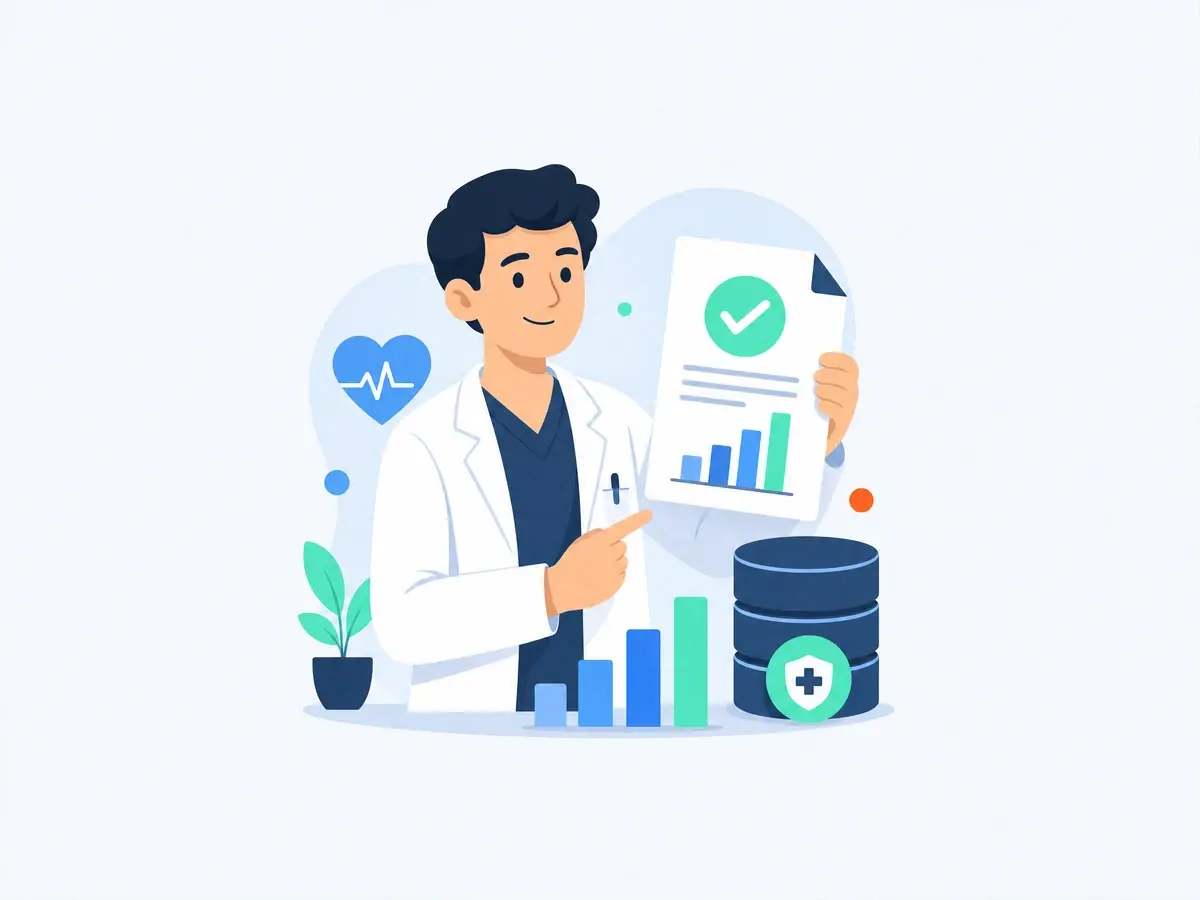
AI-Powered Clinical Research Platform
How Softblues automated a 12 to 18 month manual research process into a nine-agent AI pipeline that turns a plain-English question into a publication-ready analysis in weeks.
Read the case study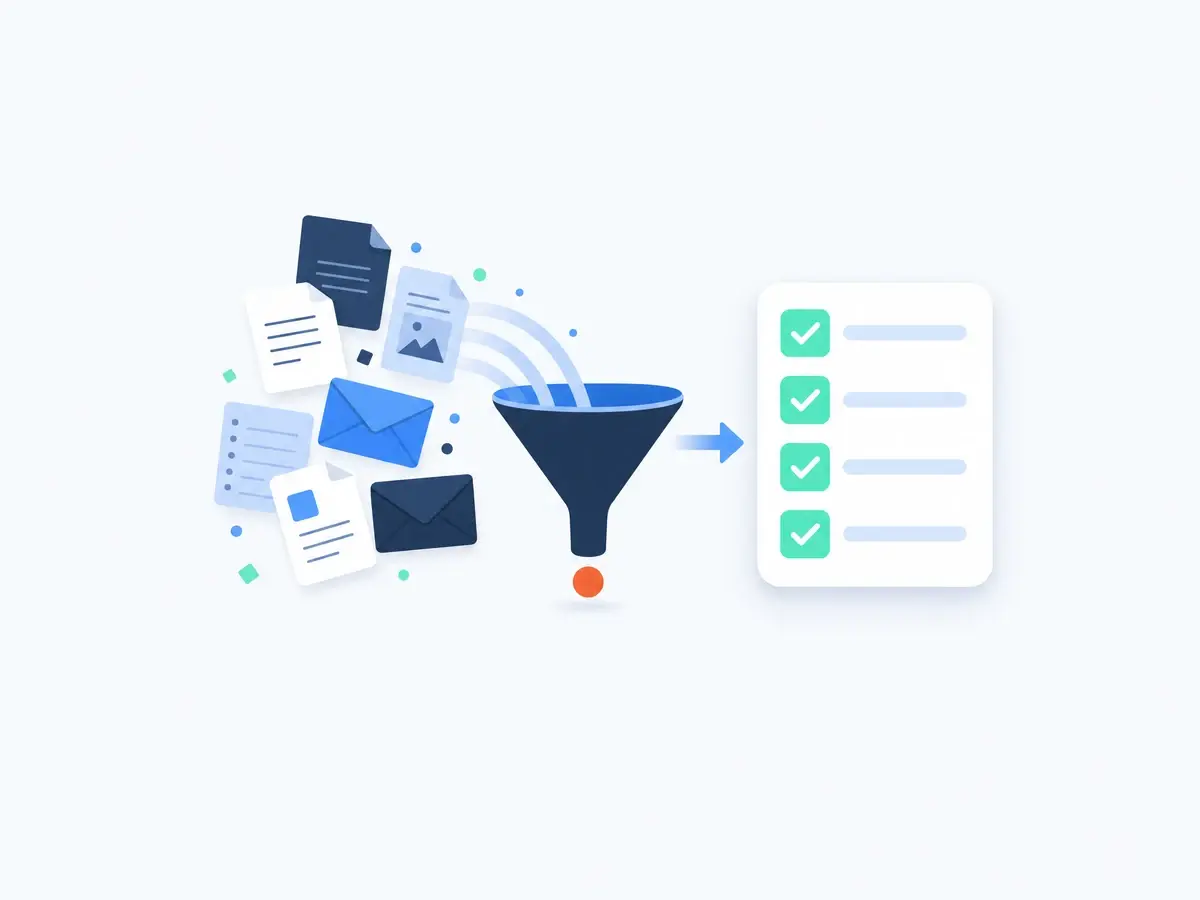
Discovery done · pilot designed
Order-to-Schedule Automation for a Secure Logistics Operator
A cash-in-transit operator ran its scheduling on email and spreadsheets: hundreds of order emails a day, hand-built run sheets, and one person's knowledge holding it together. We ran a four-week discovery, mapped the whole process and its 70+ rules, and designed an order-to-schedule automation that runs inside the client's own Microsoft tenant.
Read the case study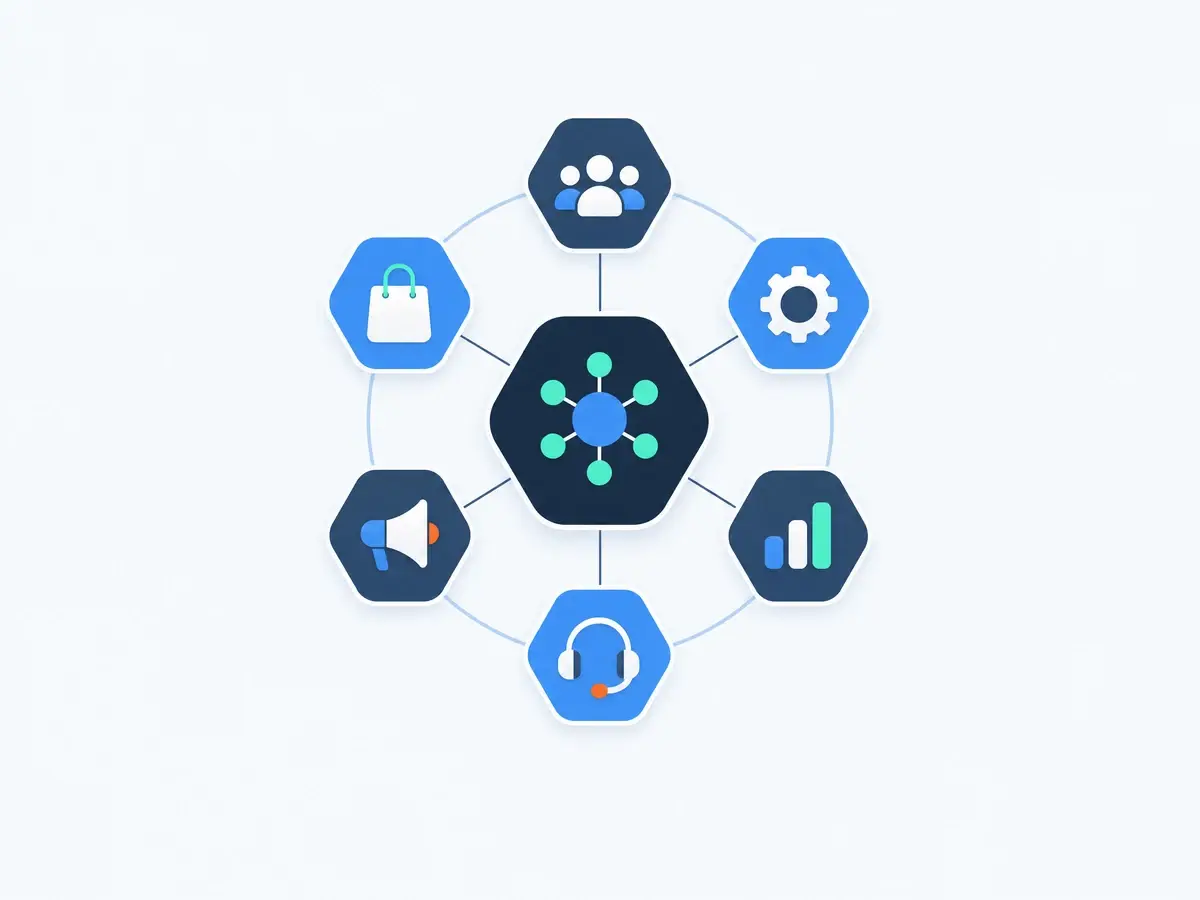
Running in-house
The Softblues Claude Operating System
Softblues runs its own company on Claude: six connected agents, one per function, each with its own operating manual, tools and routines, joined through a shared hub. We use it before we sell it, so we can show it live rather than in a slide deck.
Read the case study
What if a configured platform would do it?
Sometimes the honest answer is that a process does not need building. If the expensive work is reading, drafting and analysis spread across teams rather than one repeatable workflow, a governed assistant configured around how your company works will get further than an engineering project.
Common questions about AI process automation
What is the difference between AI process automation and RPA?
Older robotic process automation follows fixed rules and breaks when the input changes shape. AI agents can read messy, unstructured input, handle a case that does not match the pattern, and hand it to a person when judgement is needed. In practice we combine the two: rules where rules are right, because they are cheaper and easier to reason about, and agents where the input will not sit still.
Where do you start?
With a scoped, paid process discovery. We map how the work actually happens before anyone scopes a build, because a plan written from an assumption about the process is a plan that gets rewritten. You keep the map and the costed plan whichever way you then go.
Will this replace our team?
No. It takes the repetitive part and keeps people on the decisions that need judgement, and a person stays in the loop wherever the cost of a mistake is high. The work worth automating is usually the work nobody wanted anyway: the copying, the chasing and the first pass over a long document.
Which systems can you connect to?
Most of them. Databases, document stores, CRMs, ERPs, mailboxes and ticketing, through a native connector where one exists and a custom integration where it does not, with proper authentication and audit logging either way. What a system allows is worth checking early rather than assuming: an old platform with no API is still reachable, but it changes the estimate, and discovery is where that gets established.
How long until it is live?
It depends on how many systems it touches, how consistent the inputs are and how much review the work needs, so the timeline is fixed in the discovery plan rather than quoted in advance. Discovery itself is short, typically two to four weeks, or two to three for a smaller process. We would rather give you a date we can hold than a standard one.
How do you keep our data secure?
Builds run on the platform you already trust, with role-based access, audit logging on every step and data handling built around ISO 27001 principles. We are not ISO certified and we do not imply it. Our partner status with the four platform providers is stated at the top of this page; it is a commercial relationship rather than a security certification, and the controls that matter are the ones configured in your own environment.
Start with a process worth automating
Tell us which process costs you the most and how it runs today. We can discuss whether it is a candidate and whether a scoped discovery is the right next step.
We answer enquiries within 24 hours. The first conversation covers the process end to end, the systems it touches, and the checks your people need to keep.