How to Use AI to Draft RFP and Tender Responses (Without Shipping Generic Copy)
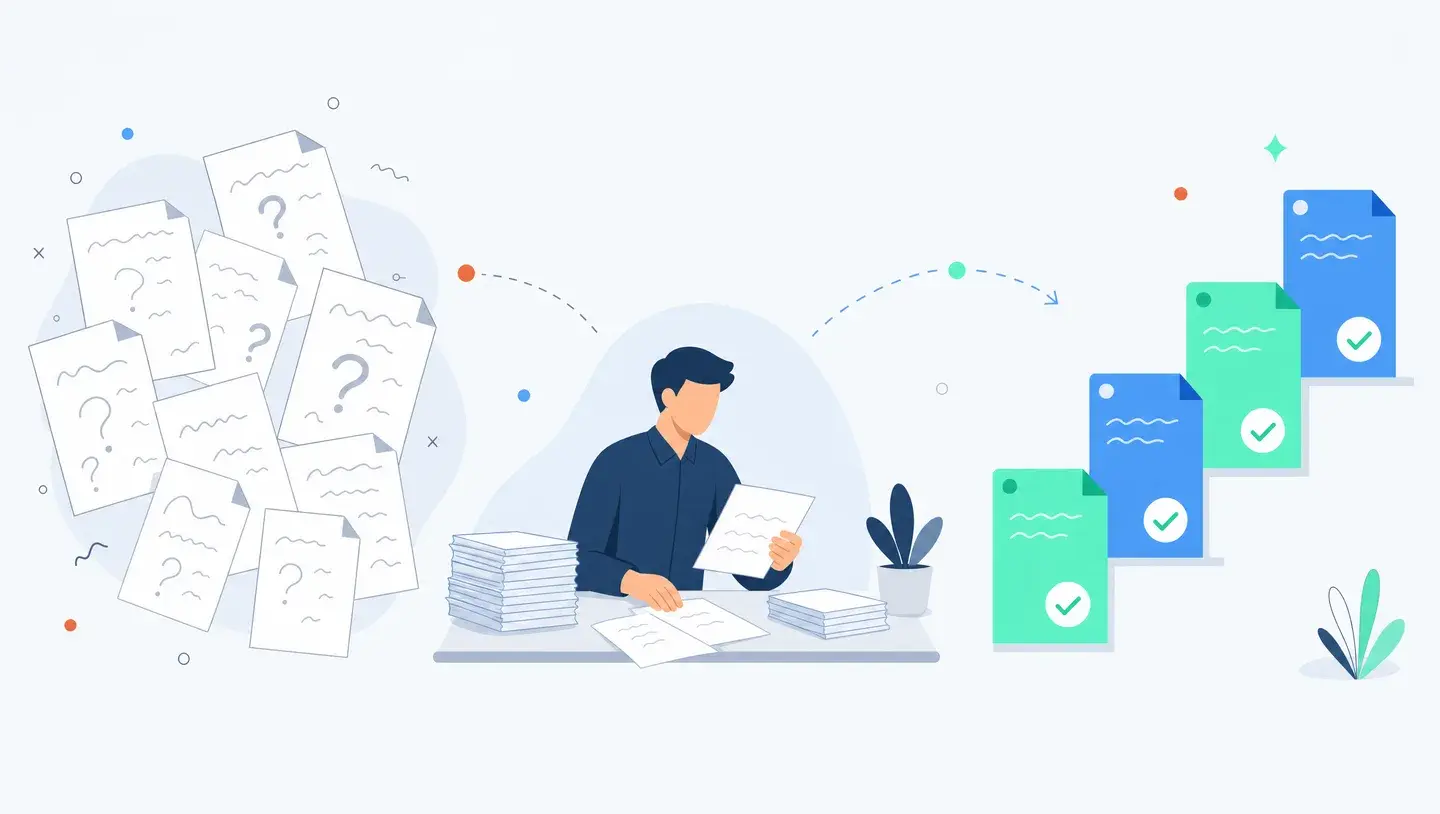
Bid teams spend 33 hours on a single RFP. Here is how to use AI to kill the repetitive 70% of a tender response, grounded in your own content, without shipping generic or invented copy.
By Ivan Pylypchuk (opens in a new tab), CEO of Softblues
The average team now spends 33 hours responding to a single RFP, and enterprise bid teams spend closer to 39 (Loopio, 2026 RFP Response Trends & Benchmarks). Multiply that across a pipeline of tenders and you have one or two people effectively doing nothing else. It is no surprise that bandwidth has become the single biggest challenge bid teams report, and that AI adoption in RFP work jumped to 79% in a year.
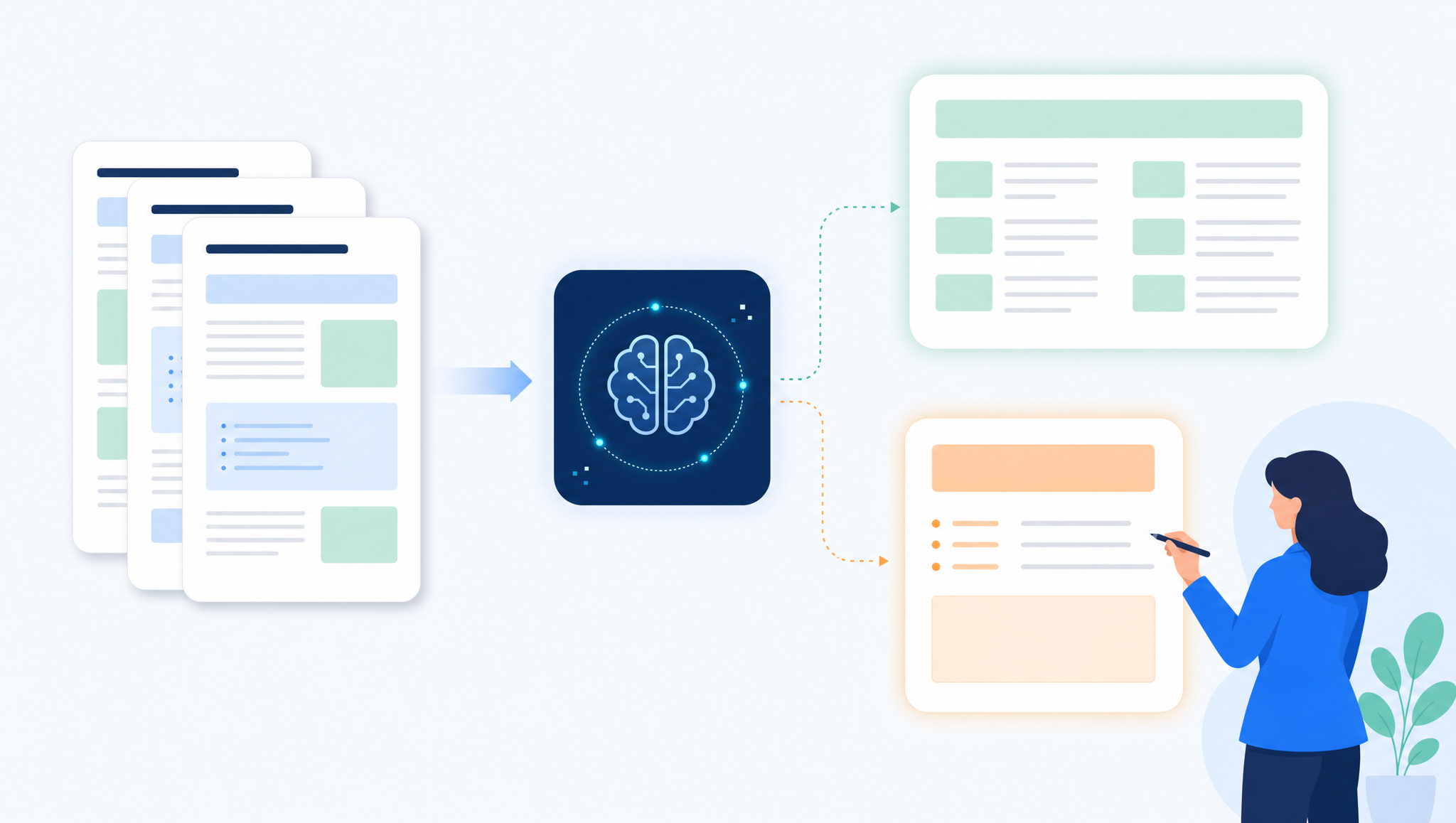
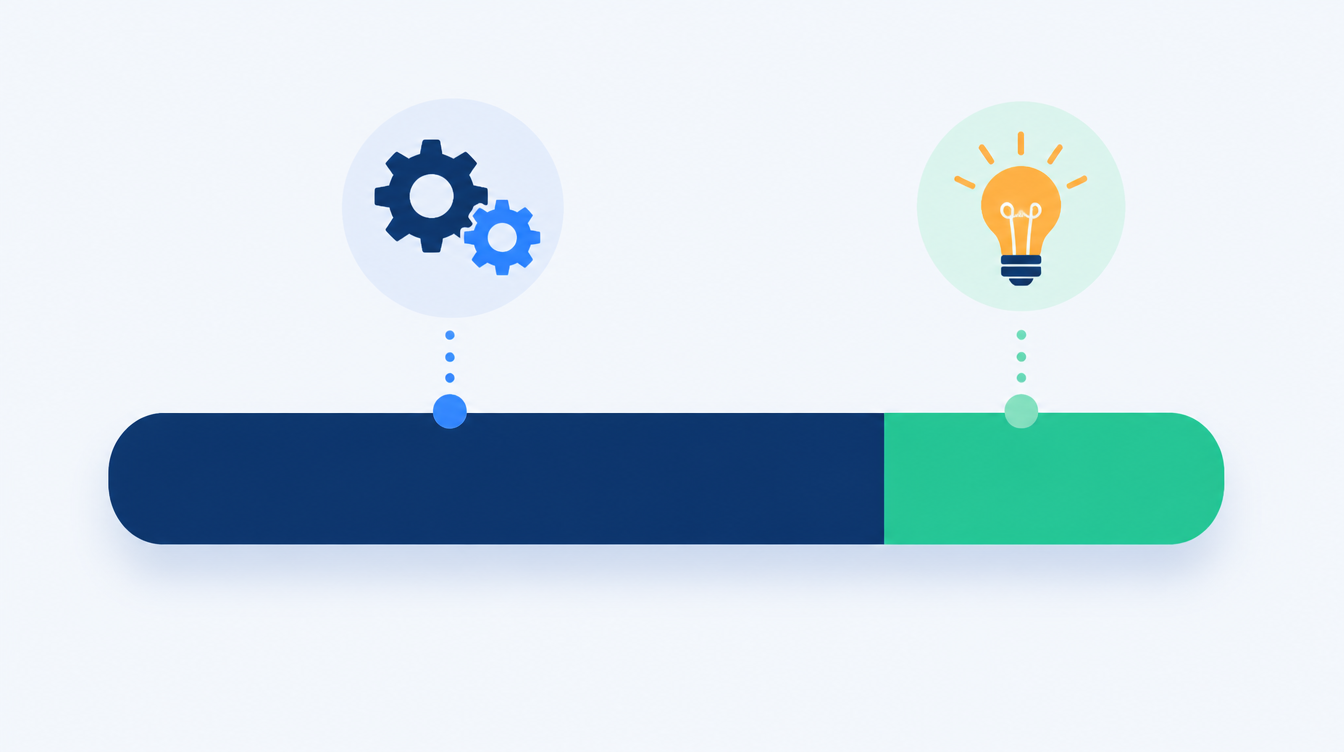
The interesting part is what those teams use AI for. It is not "press a button, get a proposal". The winners use it to kill the repetitive 70%: pulling approved answers, drafting first passes, reformatting to the buyer's template. That frees the humans to spend their hours on the 30% that actually wins the bid, which is the win themes, the pricing story, and the specifics of this client. This guide is about how to do that without putting your name on generic, hallucinated copy.
Key facts
- Time per response. Teams average 33 hours per RFP; enterprise teams 39 hours, SMBs 27 (Loopio, 2026).
- AI adoption. 79% of RFP teams have used generative AI in the process, and 62% use it to draft specific answers, a 16-point jump in a year (Loopio, 2026).
- The winning split. AI handles the repetitive drafting and formatting. People own win themes, pricing and the client-specific narrative.
- The average win rate is 45% over recent years, with UK teams highest globally at 47% (Loopio, 2026). Small quality gains move real revenue.
- The non-negotiable. Every AI-drafted answer is grounded in your own approved content and checked by a human before it ships. No invented facts, no invented references.
Where does AI actually help in an RFP response?
Think of a tender response as three kinds of work. The first is retrieval: finding the answer you already gave to "describe your information security controls" in the last five bids. The second is drafting: turning a bullet brief into readable prose that fits the buyer's word limit. The third is strategy: deciding your win themes, how you price, and what makes you the obvious choice for this client.
AI is very good at the first two and should stay well away from the third. Retrieval is a search-and-summarise problem, exactly what a model over your content library does well. Drafting a first pass from approved source material is a writing problem it handles in seconds. Strategy is a judgement problem that depends on reading the client, the competition and your own risk appetite, and that stays with your people.
Why not just paste the RFP into ChatGPT?
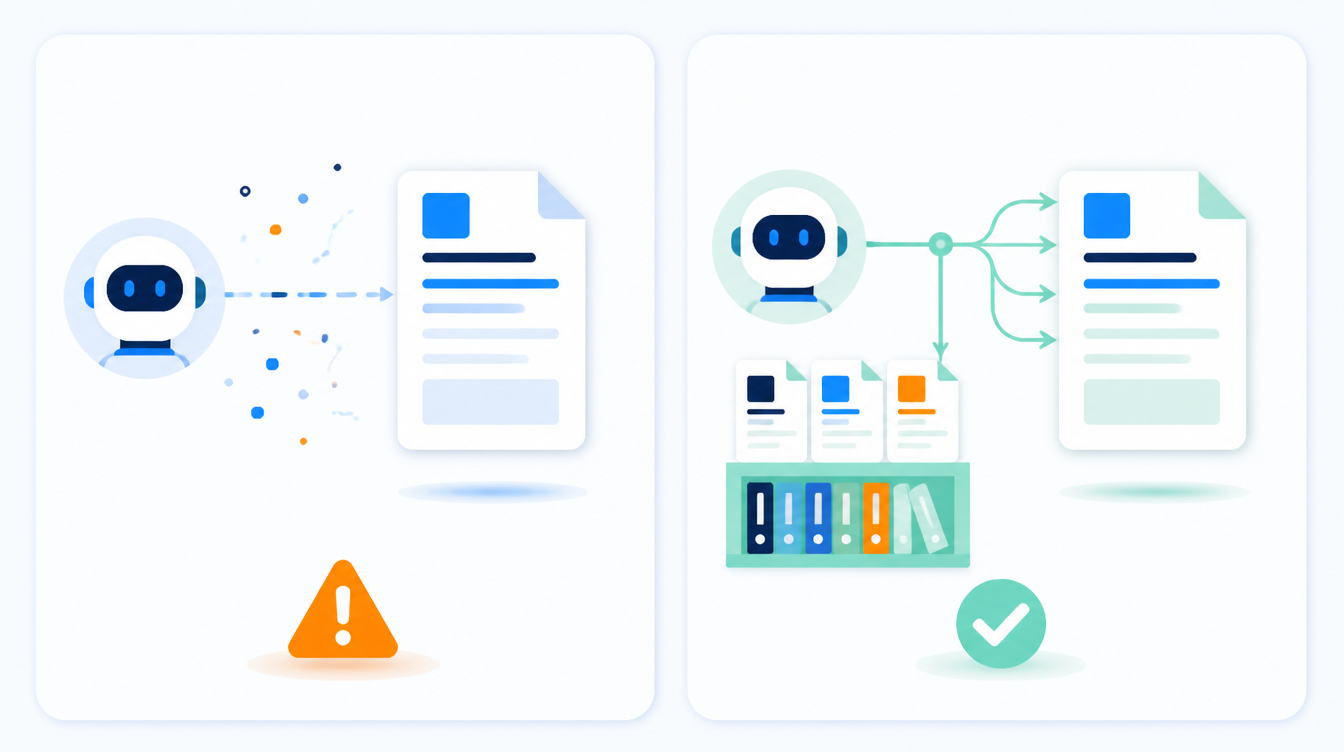
Because a general model with no access to your content will happily invent it. Ask it to describe your disaster-recovery process and it will write a plausible one, for a company that isn't yours. Ask for a reference and it may produce a client you have never worked with. In a bid, that is not a small error. It is a disqualifier, or worse, a claim you cannot stand behind.
The reliable pattern grounds every answer in your own material. The model is told to answer only from these approved documents, and to say so plainly if the answer isn't there. That turns it from a confident guesser into a fast librarian that drafts from your real track record. The difference between the two approaches is the difference between a tool you can trust in front of a procurement panel and one you can't.
What does a grounded RFP workflow look like?
Here is the shape of a workflow that speeds you up without risking your reputation.
1. Ingest the RFP. The model reads the tender document and pulls out every question, requirement and constraint into a structured list, including the easily-missed ones buried in appendices and word limits. No more manually building a compliance matrix.
2. Match to approved answers. For each question, it searches your library of past responses, product descriptions and policy documents, and proposes the closest approved answer to adapt.
3. Draft the first pass. Where a question is new, it drafts an answer from your source material only, in your tone, inside the word limit, and flags anything it could not ground so a person fills the gap.
4. Human review and win themes. Your bid lead does the work that matters: sharpening the narrative, weaving in win themes, confirming every claim, setting the pricing story. The AI gave them a running start, not a finished bid.
5. Format to the buyer's template. The model reformats the approved content into the exact structure the buyer demands, with their headings, their tables, their portal fields, instead of a person copy-pasting for an afternoon.
This is the same "draft fast, review hard" pattern we apply to other document-heavy work. We scoped it for a financial-advice firm that needed a monthly compliance file review, grounding the AI in their own rules and keeping a human on the sign-off. You can see the shape of that in our compliance file-review automation case study. Our walkthrough on automating contract review with AI covers the grounding and human-checkpoint mechanics in more depth.
AI-drafted vs manual vs template-only
| Approach | Speed | Risk of invented content | Personalisation | Best for |
|---|---|---|---|---|
| Fully manual | Slow (30+ hrs) | None | High | Rare, very high-value bids |
| Copy-paste template bank | Medium | Low | Low (generic) | High-volume, low-differentiation |
| Generic AI (ungrounded) | Fast | High | Medium | Not recommended for real bids |
| Grounded AI + human review | Fast | Low (grounded + checked) | High | Regular tenders with a content library |
The pattern that wins is the last row. It is fast because the model does retrieval and first drafts, and safe because everything is grounded in your approved content and a human owns the final word.
Does using AI hurt your win rate?
It is the fair question, and the honest answer is that it only hurts if you use it to cut corners on the strategic 30%. The Loopio data shows top-performing teams, those winning more than half their bids, do not just draft faster. They use the reclaimed time to sharpen quality, and longer, more considered responses still correlate with higher win rates. AI is most dangerous when it tempts a team to submit more, thinner bids. It is most valuable when it frees your best people from formatting and retrieval so they can make each bid sharper.
Used well, it is a quality lever disguised as a speed tool. You are not trying to write proposals in an hour. You are trying to spend your human hours where they change the outcome.
FAQ
Will AI write our whole proposal for us? No, and you should be wary of anything that claims it will. It drafts the repetitive, retrievable parts from your approved content and formats to the buyer's template. Your team owns win themes, pricing and the client-specific story, the parts that actually win.
How do we stop it inventing facts or fake references? By grounding it in your own documents and instructing it to answer only from that library, flagging anything it cannot support rather than guessing. Combined with a mandatory human review, that is what keeps invented content out of a live bid.
Do we need a big library of past proposals to start? It helps, but you can start with what you have: recent winning bids, product descriptions, security and policy documents. The library grows every time you run a tender through the workflow and approve the answers.
Can it handle the buyer's specific template and portal? Yes. Reformatting approved content into a buyer's exact headings, tables and word limits is one of the biggest time savings, and it is low-risk because the content is already reviewed. Only the layout changes.
Is our commercially sensitive bid content safe? It is processed under data-handling rules you approve, using the model and region you choose. For sensitive tenders we scope access, retention and logging up front, the same way we do for any regulated document work.
Which industries get the most from this? Any team that responds to tenders regularly: IT services, agencies, construction, consultancies, professional services. The more repetitive the retrieval and formatting burden, the bigger the payback.
How is this different from a dedicated RFP SaaS tool? Dedicated tools are strong if your process fits their model and you are happy with per-seat pricing. A custom workflow makes sense when you want AI grounded in your own content, wired into the systems you already run, and shaped to how your bid team actually works.
Softblues builds these workflows as a practitioner, not a proposal-software reseller. They are grounded in your content, honest about where AI helps and where it doesn't, with a human owning the final bid. As an OpenAI Select Partner, Certified in the Claude Partner Network, we build on the models and tools you already trust.
If tender responses are eating your best people's weeks, it is worth an hour to map where AI safely takes the load off. Book a discovery call. For the fuller picture of how we approach document-heavy automation, see our business automation overview.
Work out your numbers
One key process
Process automation ROI calculator
Five questions about one process. See the hours an AI agent frees up, what they are worth and how much becomes profit.
Work out your numbersYour whole firm
AI ROI calculator
Five questions about your firm. See the time AI frees up, what it is worth and when it pays for itself.
Work out your numbers
Free. No sign-up. Your answers stay in your browser.
See it in production
Systems we have built and run for clients, with the numbers that came out of them.
Related Articles
Claude in Excel for the month-end pack: what AI prepares and finance signs

AI meeting notes: the client file workflow for UK firms