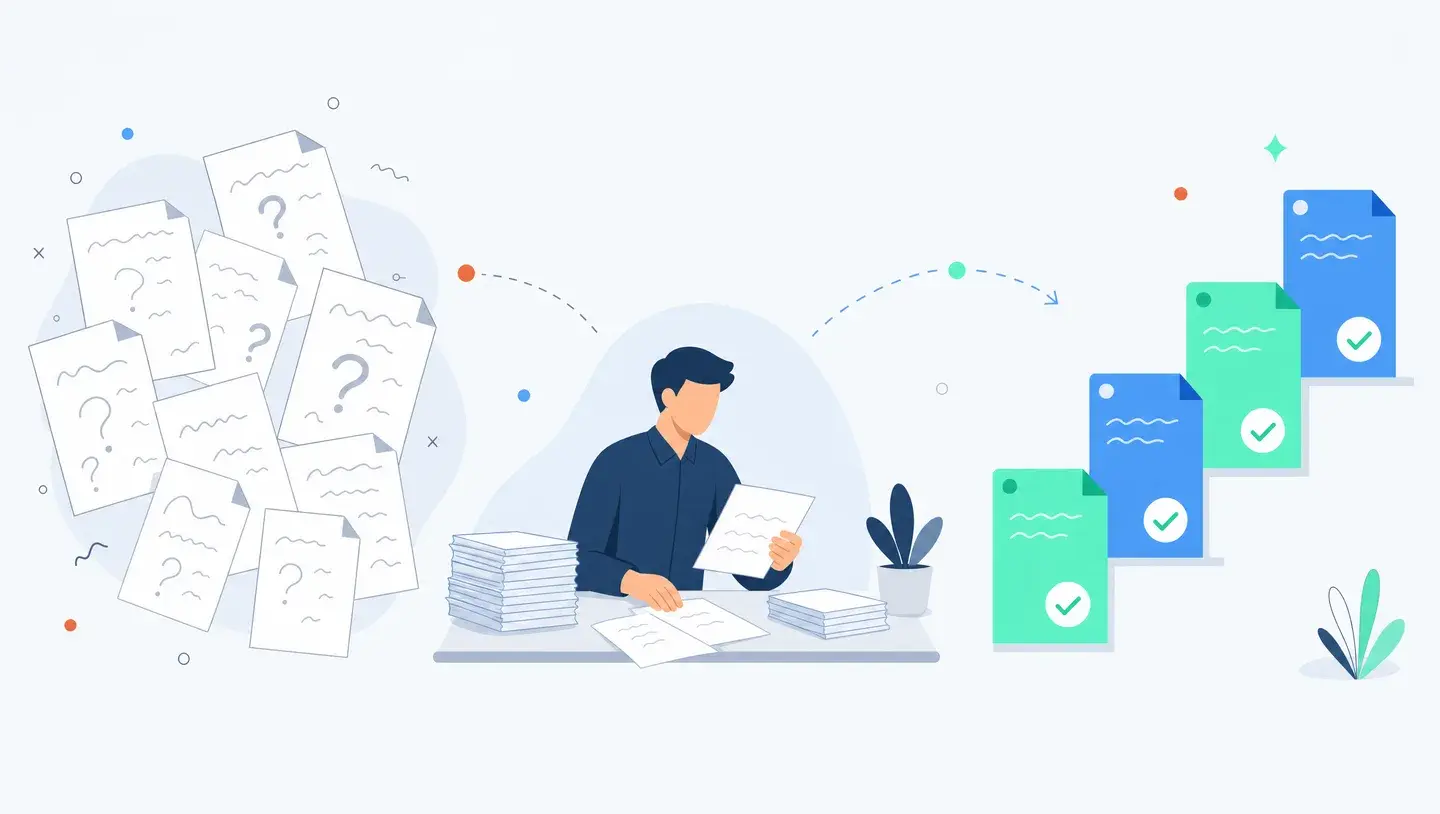
Back Office Automation: What Mid-Market Companies Should Automate First
Deloitte found scaled automation cut costs 59% and paid back inside a year, but only for teams that automated the right processes first. How to rank your back office by payback.
By Ivan Pylypchuk (opens in a new tab), CEO of Softblues
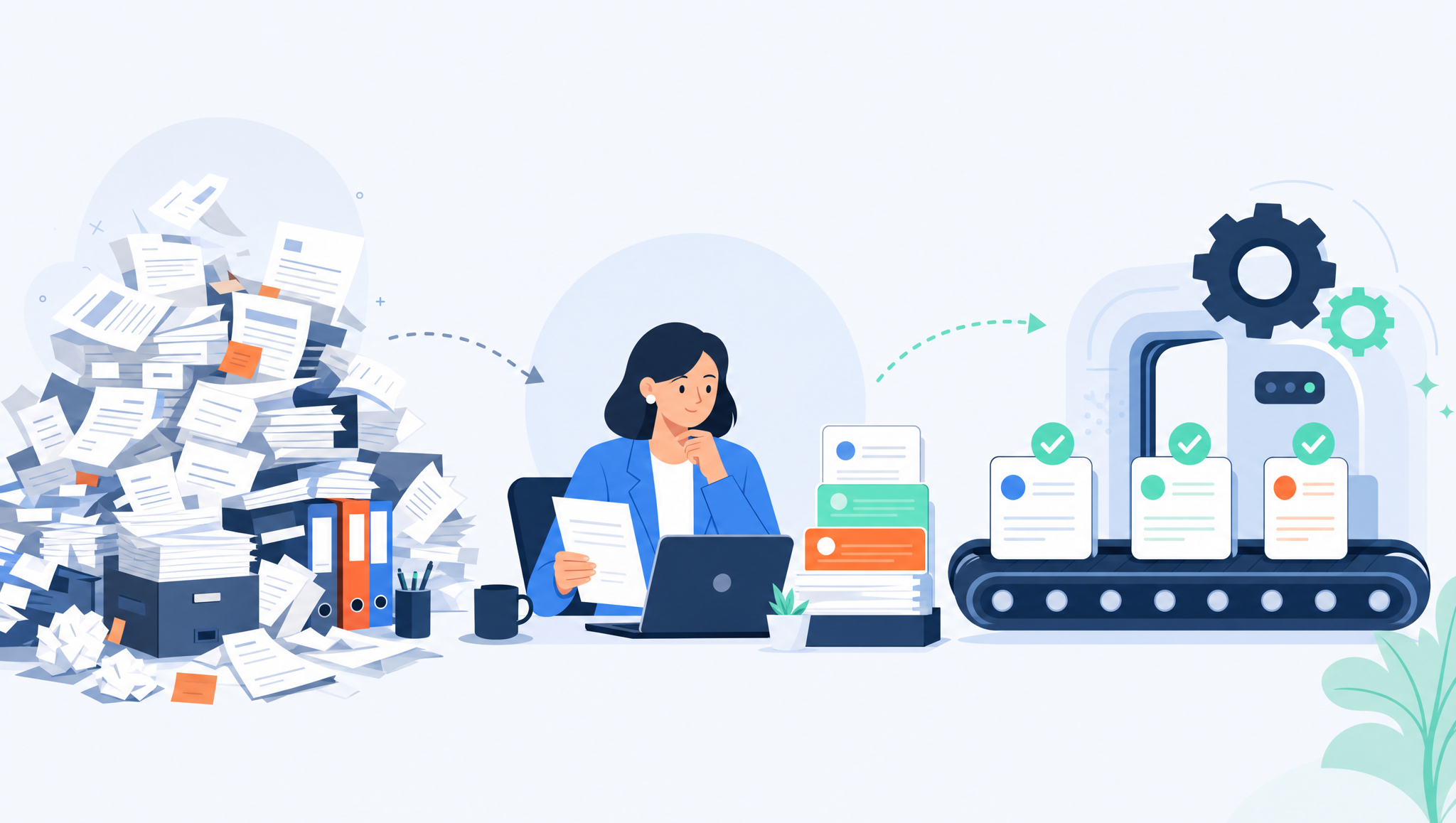
Back-office automation has a strong track record, which is exactly why it gets oversold. In Deloitte's Global RPA Survey, organisations reported a 59% cost reduction and payback in under 12 months, alongside improvements in accuracy (90%) and compliance (92%) (Deloitte, Global RPA Survey). Good numbers, but only for the companies that automated the right processes in the right order.
The mistake mid-market teams make is starting with whatever annoys them most, rather than whatever pays back fastest. This guide ranks the common back-office candidates by four things that actually decide the return: payback, system complexity, data quality and compliance risk.
Key facts
- Deloitte's Global RPA Survey reports 59% cost reduction and sub-12-month payback for organisations that scaled automation.
- The right first project is high-volume, rules-based, and clean-data, not the process that irritates you most.
- Four factors decide the order: payback, system complexity, data quality, compliance risk.
- Invoices and month-end close are usually the strongest starting points. Contracts and compliance pay back but need governance first.
- Automating a broken process just makes the mess faster. Fix the process, then automate it.
What should a mid-market company automate first?
The best first project is boring on purpose: high volume, clear rules, and data that is already reasonably clean. High volume means the time saved is real. Clear rules mean you are automating a decision the software can actually make. Clean data means it will not choke on the input. Invoice processing usually ticks all three, which is why it is the classic starting point.
The worst first project is the opposite: low volume, full of judgement calls, feeding on messy inputs. You spend months building something that saves an hour a week and breaks constantly. Save those for later, once the team trusts the approach.
How to rank back-office processes by payback
Score each candidate on four dimensions. High payback and low complexity go first. High compliance risk waits until governance is in place.
| Process | Payback | System complexity | Data quality | Compliance risk |
|---|---|---|---|---|
| Invoice processing | High | Low to medium | Usually good | Low |
| Month-end close | High | Medium | Good | Medium |
| Document handling | Medium to high | Medium | Variable | Low to medium |
| Knowledge & internal search | Medium | Medium | Variable | Low |
| Employee onboarding | Medium | Medium to high | Good | Low |
| Contract management | Medium | Medium | Variable | Medium to high |
| Support handoffs | Medium | Low to medium | Good | Low |
| Reporting packs | Medium to high | Medium | Good | Low |
The pattern is clear enough. Invoicing and month-end tend to lead, contracts and compliance-heavy work come later, and anything with variable data quality needs a clean-up step first.
Once you have a candidate, work out what that process is worth with an AI agent in five questions.
Where the payback actually comes from
Invoicing. High volume, repetitive, and rules-based. Automating capture, matching and routing removes manual keying and speeds approvals. This is the usual first win. The full workflow and ROI are in automated invoice processing for mid-market finance teams.
Month-end close. A predictable set of steps run under deadline pressure every period. Automating reconciliations, checks and the recurring journal work shortens the close and cuts errors. See the month-end close automation checklist.
Documents. Pulling structured data out of PDFs, forms and emails so it flows into your systems instead of being retyped. Payback depends on how messy the inputs are, covered in AI document processing and workflow automation.
Knowledge and internal search. Making scattered content answerable cuts the time people lose hunting for information. Medium payback, but it lifts every other process. More on the retrieval-first approach in AI knowledge management for mid-market companies.
Onboarding, contracts, support handoffs, reporting. Real savings, but each carries a catch. Onboarding touches several systems, contracts and compliance work carry legal risk, and reporting needs trustworthy source data. Sequence them after the clean wins.
Build or buy for the back office?
Packaged tools exist for the common cases: invoice capture, expense handling, e-signature. If a product fits your process closely, buy it. Building makes sense when the process is specific to how you run, spans several systems, or needs judgement a product cannot encode. Most mid-market companies end up with a mix. Buy the commodity pieces, build the connective tissue between them. The AI implementation roadmap covers how to phase that from pilot to production.
This is the same prioritisation lens we apply across operations, in AI for mid-market operations: where automation pays back first, and the pattern of use cases that reliably ship in 12 enterprise AI use cases mid-market companies are deploying. For a regulated example of a contained, high-value automation, our financial-advice compliance file review case study shows the approach on a monthly review process.
Frequently asked questions
What is the single best process to automate first?
For most mid-market companies, invoice processing. High volume, clear rules, clean data, low compliance risk. It delivers a visible win that funds the next projects.
How quickly should we expect payback?
Deloitte's survey puts scaled automation at under 12 months. A well-chosen first project, high volume and rules-based, often lands sooner. Judgement-heavy or messy-data processes take longer and should not be first.
Should we automate compliance-heavy work like contracts?
Eventually, but not first. These carry legal and regulatory risk, so put the governance and review controls in place before you automate. The payback is real. The sequence matters.
What if our data is messy?
Clean it before you automate, or build a data-quality step into the project. Automation applied to bad inputs produces bad outputs faster. It does not fix the underlying problem.
Do we need to replace our existing systems?
Usually not. Most back-office automation connects to the tools you already run rather than replacing them. Buy the commodity pieces, build the connective tissue.
How do we choose between building and buying?
Buy when a product fits your process closely. Build when the process is specific to your business, spans several systems, or needs judgement a product cannot encode.
Softblues is an OpenAI Select Partner, Certified in the Claude Partner Network, a Google Cloud partner at Services Select tier, and a member of the Microsoft AI Cloud Partner Program. We help mid-market teams pick the right first automation and build it the way practitioners do, starting with payback and data quality, not a transformation deck. You can see the full range on our business automation page. Give your people the boring hours back.
Work out your numbers
One key process
Process automation ROI calculator
Five questions about one process. See the hours an AI agent frees up, what they are worth and how much becomes profit.
Work out your numbersYour whole firm
AI ROI calculator
Five questions about your firm. See the time AI frees up, what it is worth and when it pays for itself.
Work out your numbers
Free. No sign-up. Your answers stay in your browser.
See it in production
Systems we have built and run for clients, with the numbers that came out of them.
Related Articles
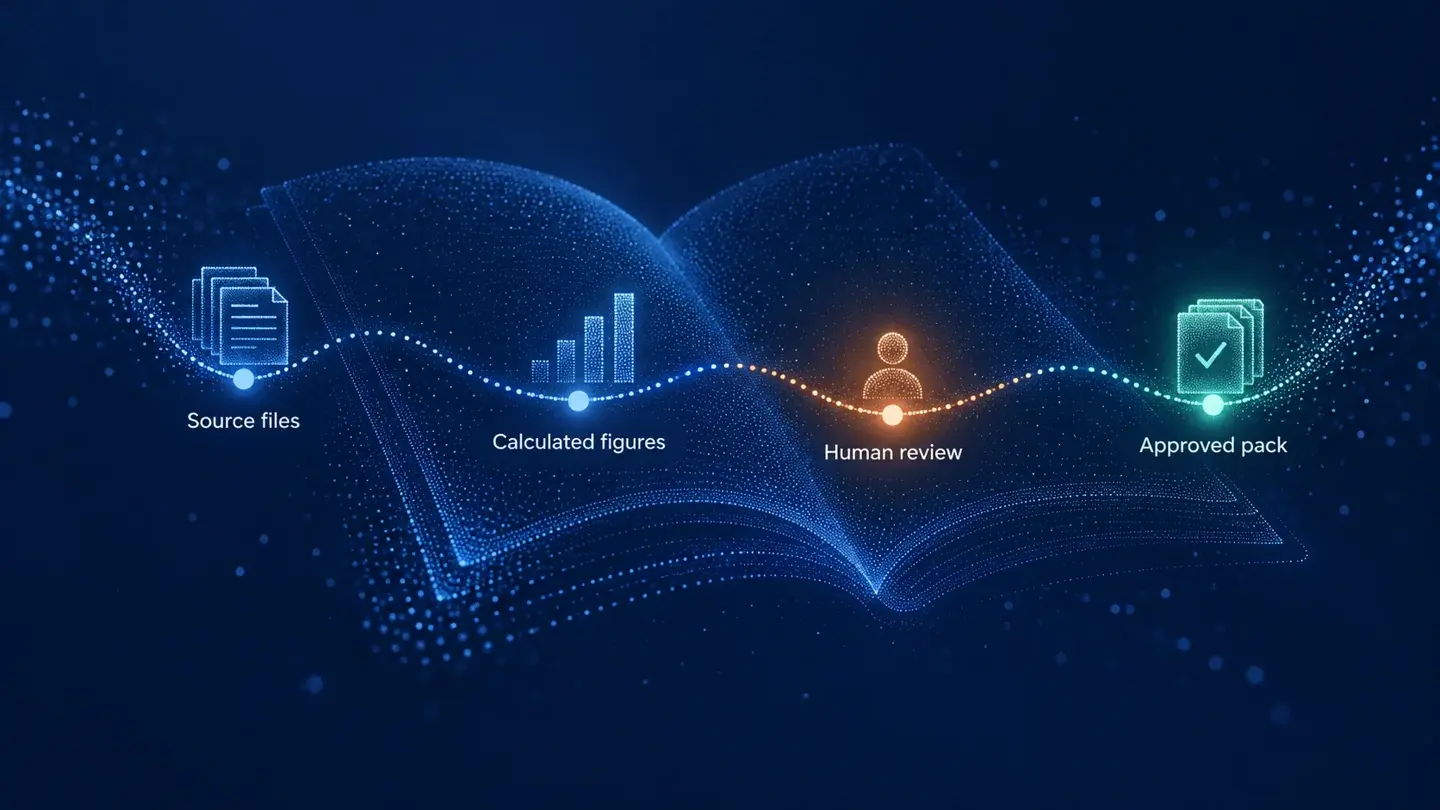
Claude in Excel for the month-end pack: what AI prepares and finance signs

AI meeting notes: the client file workflow for UK firms